The Science

The research behind the Method.

The principles and therapeutic approaches that inform THE RECODE METHOD™.

THE RECODE METHOD™ brings together more than twenty years of my study and experience across clinical hypnotherapy, cognitive behavioural therapy, neuro-linguistic programming, neuroscience and nervous system regulation.

I use the language of subconscious codes to describe something complex in a simple way: the learned beliefs, associations, expectations and automatic responses that can influence how we think, feel and behave beneath conscious awareness.

The language is mine. The principles beneath it connect with established research into learning, neuroplasticity, automatic behaviour, psychotherapy and hypnosis.

If you want to explore some of the science that informs the Method, start here.

The Research

Six principles beneath the Method.

Neuroscience, psychology and evidence that help explain why lasting change is possible.

01

What was learned can be changed

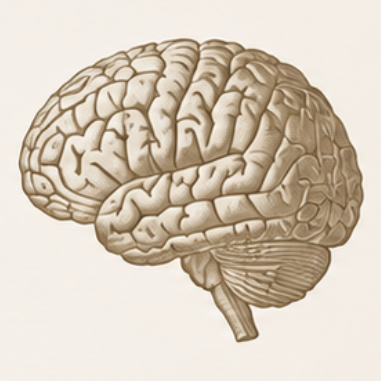
The brain retains the capacity to change through learning and experience throughout life. This is neuroplasticity.

THE RECODE METHOD uses subconscious reprogramming to create and reinforce new learning, so patterns learned earlier in life do not have to remain the patterns you live from today.

Neuroplasticity

Neural Plasticity Across the LifespanPower & Schlaggar

Read the research →
An engraving of a human brain
02

Your behaviour isn't all conscious

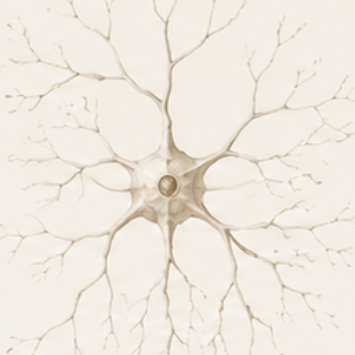
Research into habit learning shows that behaviour can become increasingly automatic and less dependent on conscious deliberation.

THE RECODE METHOD works beneath the behaviour to reveal the subconscious beliefs, associations and automatic responses helping to drive it, because changing what you do begins with understanding what is happening underneath it.

Habit Learning

A Critical Review of Habit Learning and the Basal GangliaSeger & Spiering

Read the research →
An engraving of a neuron and its dendrites
03

Changing the pattern can change the brain

Research using brain imaging has found that successful psychological therapies such as CBT can be accompanied by measurable changes in patterns of brain activity.

THE RECODE METHOD uses principles and practices drawn from CBT to identify and change familiar patterns of thinking and responding, then repeatedly practise new ones in everyday life.

Therapy & The Brain

Does Cognitive Behavioral Therapy Change the Brain?Porto et al.

Read the research →
An engraving of a protective shield
04

Hypnosis creates a different way to work with the mind

Clinical hypnosis has been studied across a range of psychological and physical applications, with evidence of benefit in particular contexts.

THE RECODE METHOD uses clinical hypnosis to go beneath conscious thought and work directly with the beliefs, associations and learned responses held in the subconscious, where old coding can be explored and new learning created and reinforced.

Hypnosis Science

Meta-analytic Evidence on the Efficacy of Hypnosis for Mental and Somatic Health IssuesA 20-Year Perspective

Read the research →
An engraving of a bare tree and its branches
05

Old learning can be updated

Research into memory reconsolidation explores how established emotional learning may become open to modification when reactivated under particular conditions and encountered alongside new information or experience.

THE RECODE METHOD doesn't stop at understanding the old pattern. It creates new learning, then uses repetition and real-life reinforcement to help that new way of thinking, feeling and responding become increasingly familiar.

Memory Reconsolidation

Memory Reconsolidation, Emotional Arousal, and the Process of Change in PsychotherapyLane, Ryan, Nadel & Greenberg

Read the research →
An engraving of a fingerprint
06

Language shapes experience

The words we use are not neutral. Research shows that changing the way we interpret and describe an experience through language can influence its emotional impact and the neural systems involved in emotional regulation.

THE RECODE METHOD uses language deliberately. We identify the language reinforcing the old subconscious code, then create and repeatedly use new language that supports the beliefs, expectations and responses we want the mind to learn instead.

Language & Emotion

Cognitive Reappraisal of Emotion: A Meta-Analysis of Human Neuroimaging StudiesBuhle et al.

Read the research →
Concentric rings spreading from a centre

The science informs the Method.
The Method makes it personal.

Science can help us understand how the brain learns, how behaviour becomes automatic, how experience creates change and why the patterns we have learned do not have to remain the patterns we live from.

THE RECODE METHOD brings those principles together into a methodology designed to create lasting transformation.

Your behaviour. Your patterns. Your subconscious codes. Your potential.

Because understanding how change happens is only the beginning.

The next step is yours.